Repeatable Customer Experience
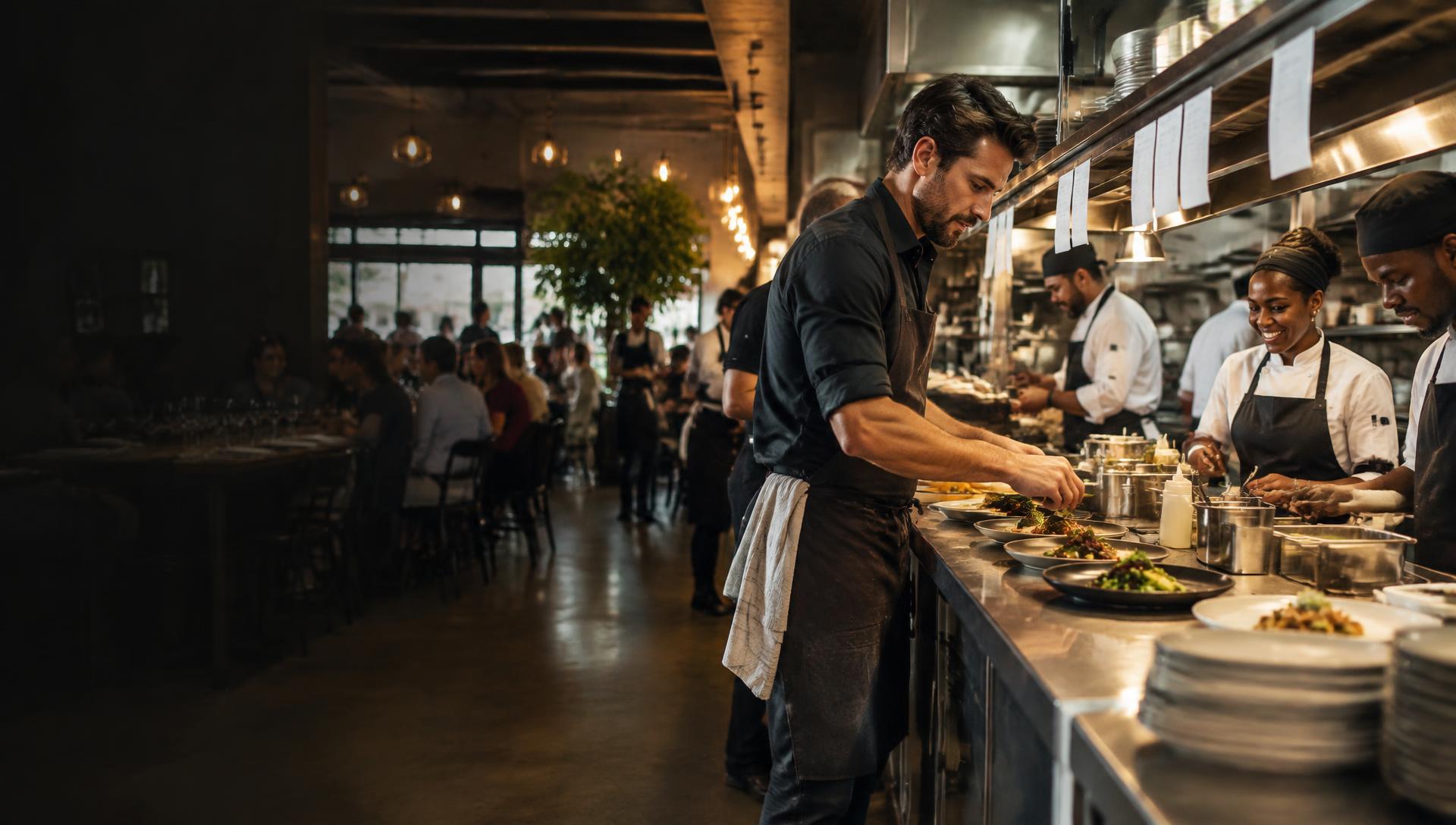
A clear menu, production method and service sequence can create the same recognisable experience in every restaurant.

Restaurant franchising South Africa
You’ve built a restaurant that works. Customers come back, the concept has an identity and you can see opportunities to open in other towns, suburbs or provinces.
The question is whether you should fund and manage every new restaurant yourself, or turn what you’ve built into a franchise system that other owner-operators can invest in and operate.
A successful restaurant is not automatically a successful franchise.
The real test is whether the economics, systems, brand and customer experience can be repeated without you personally running every location.
Franchise Feasibility Report | R9,950
Direct answer
Yes. A restaurant can potentially be franchised if the business has proven demand, healthy unit economics, repeatable operating systems, a clearly defined customer proposition and the ability to train another operator to reproduce the same experience.
For a restaurant franchise to work commercially, the model also needs enough margin for the franchisee to make an attractive return after food costs, labour, rent, marketing fees and franchise royalties have been paid.
From running a restaurant
to leading a network.
The founder's real question
Usually, customers are asking for another location. A trusted manager or customer wants to open one. You can see room for 5, 10 or 20 sites, but not enough capital or management capacity to fund them all yourself. And you do not want to keep signing every lease, recruiting every manager and solving every local problem.
Instead of the founder funding and operating every new restaurant, franchisees invest their own capital into opening locations and take responsibility for operating them locally. Your job gradually changes from running restaurants to building and supporting the system behind them.
Explore the wider benefits of franchisingWhy the model can travel
Restaurants combine visible brands, repeat purchasing and teachable operations — but each advantage only holds when the underlying system is strong.
A clear menu, production method and service sequence can create the same recognisable experience in every restaurant.
A franchisee has their own capital and reputation at stake, giving each restaurant focused local leadership.
Franchisees typically fund their own sites, fit-outs and working capital instead of the founder financing every opening.
More restaurants can create stronger supplier relationships, volume planning and purchasing leverage, where structured well.
Every well-run site makes the restaurant brand easier to recognise and can build confidence in new markets.
Capable local owners can take the concept into suburbs, towns and provinces that head office could not manage directly.
Continue reading
Add your details to continue reading the Restaurant Franchising Guide. Access opens immediately and covers our full resource library in this browser.